
Hiiragiya Ryokan

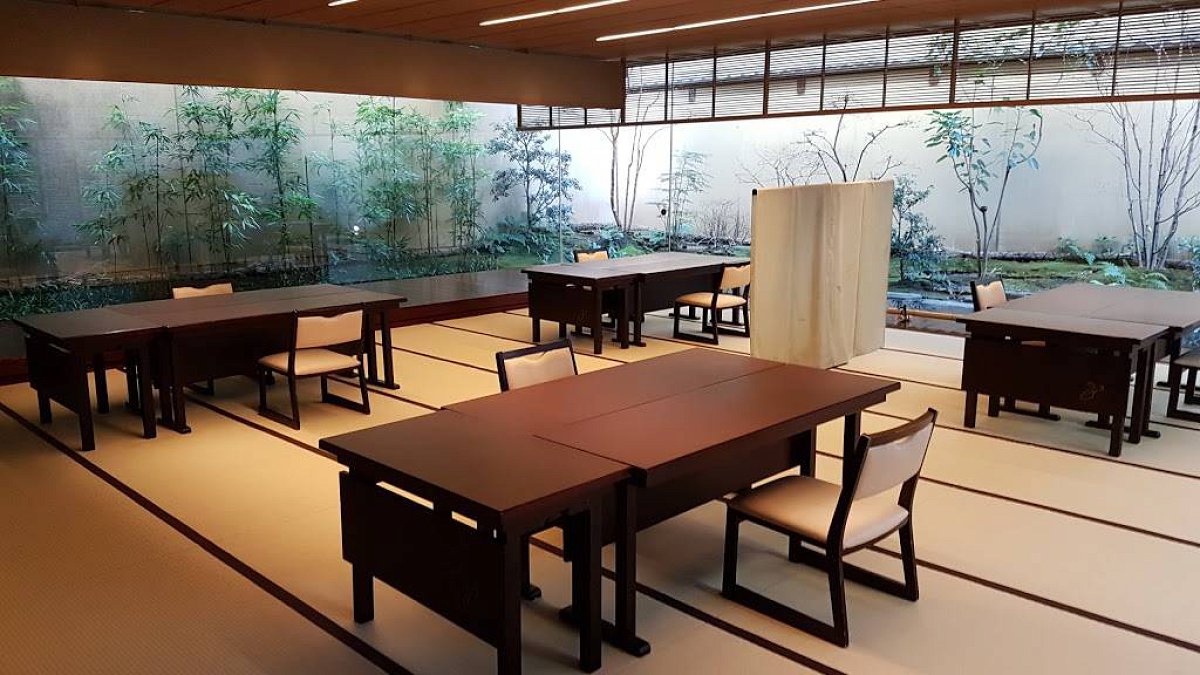
“Savor a multi-course kaiseki meal while overlooking a private moss garden in historic Kyoto.”

Our Review

Heritage and Sense of Place

Hiiragiya Ryokan is a storied Kyoto inn founded in 1818, designated a National Registered Tangible Cultural Property. Set on a quiet lane in Nakagyo Ward, the approach feels understated, but inside you step into a world of polished wood, creaking corridors, and mossy pocket gardens. The namesake holly motif appears discreetly in details around the property, reinforcing a devotion to tradition that has matured over two centuries.

Design and Rooms

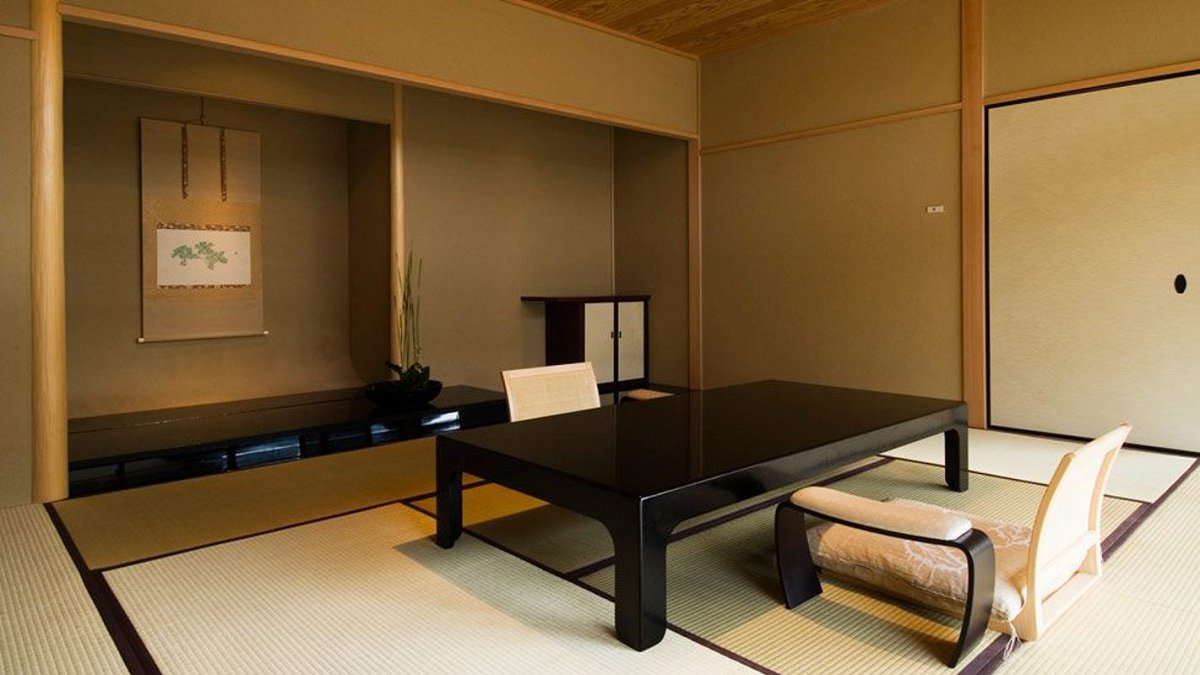
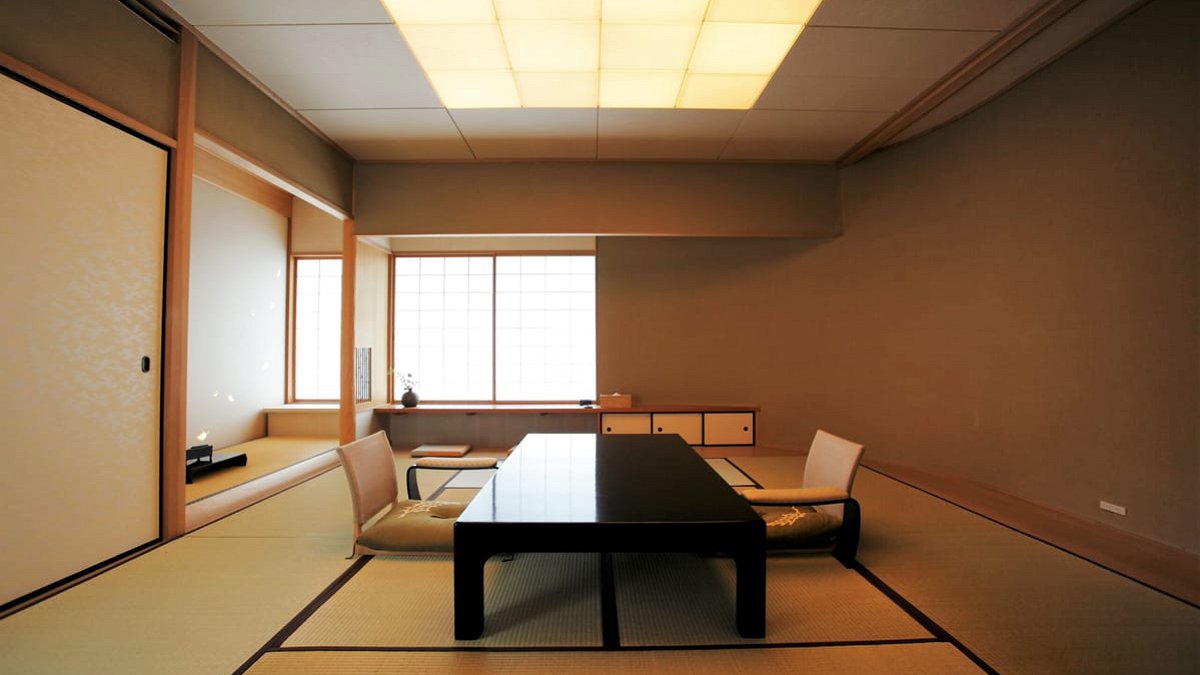
There are 28 rooms divided between the Main Building—built in traditional sukiya-zukuri tea-house style—and a New Wing that blends classic materials with contemporary craftsmanship. Expect tatami-mat floors, shoji screens, low furniture, and transoms carved with finesse. Many accommodations face manicured Japanese gardens, and several feature private ofuro baths crafted from umbrella pine. Architectural touches keep privacy paramount: corridors and vestibules make each room feel like a self-contained suite, while natural textures and restrained color create an atmosphere of calm.

Dining: Kyoto Kaiseki, In Room

Meals are a highlight and are typically served in-room. Dinner follows the seasonal cadence of Kyoto-style kaiseki: a procession of small courses presented on lacquerware and ceramics, with flavors that change to reflect the market and the moment. Breakfast can be Japanese—an abundant, beautifully arranged spread—or Western, with simple staples prepared with care. Dining here is intentionally intimate and for guests only, preserving a quiet, residential rhythm that suits the setting.

Bathing and Ritual

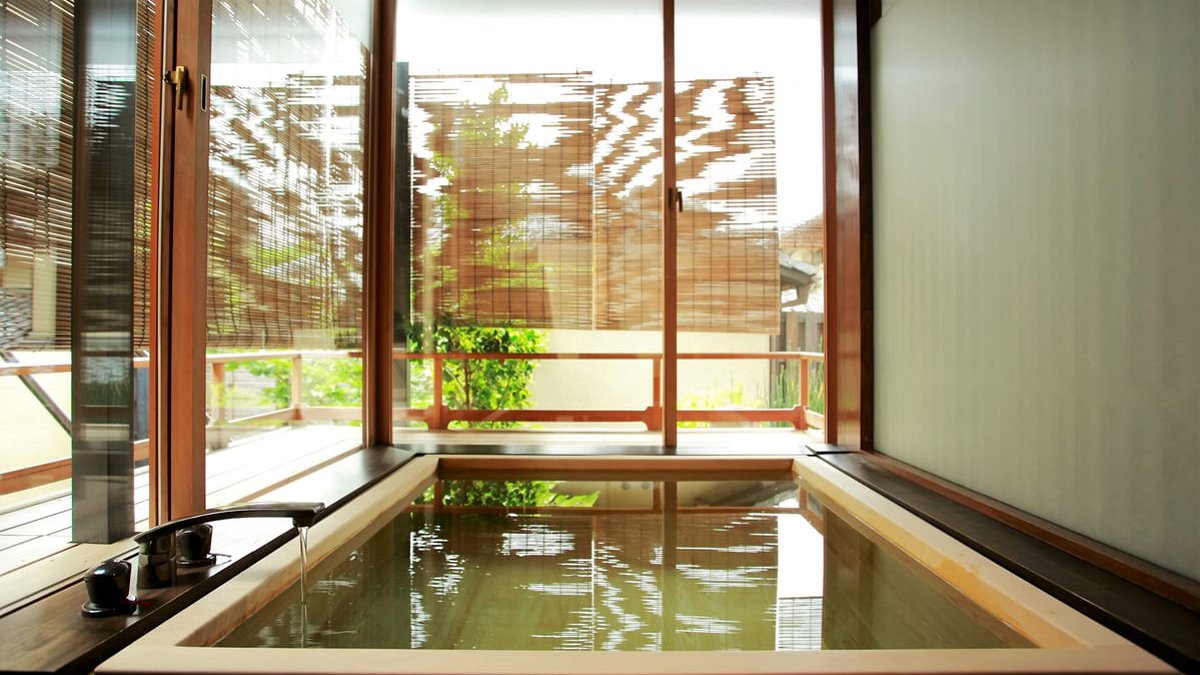
Bathing is central to the experience. Many rooms include deep wooden ofuro tubs whose heat and cedar aroma invite unhurried soaks after a day among temples. The property also offers family-style baths that can be reserved for private time. As in traditional inns, the etiquette is part of the pleasure—rinse before soaking, take your time, then slip into a yukata and let the evening slow down.

Location and Practicalities

This property sits in central Kyoto, with Nishiki Market a pleasant walk away and sights like Nijō Castle and the Imperial Palace within easy reach. Nearby transport includes Kyoto Shiyakusho-mae and Karasuma Oike stations, making broader exploration straightforward. The stay leans fully into the ryokan tradition—there’s no gym or business center—and set meal plans and quiet hours help maintain the contemplative mood.

Service and Overall Impression

Service is formal, warm, and deeply hospitality-driven, refined over generations. Thoughtful touches—garden views framed just so, impeccable pacing of courses, slippers awaiting on the threshold—create a sense of unforced ceremony. For travelers seeking immersion in Japanese aesthetics and rhythm rather than a conventional hotel checklist, Hiiragiya offers an authentic, memorably serene stay in the heart of the city.

Select Amenities & Features

Free Wi-Fi Free Wi-Fi
Room service Room service
Laundry & dry cleaning Laundry & dry cleaning
Airport transfer Airport transfer
Restaurant Restaurant

Please note: This is not an exhaustive list of amenities.

Location

How to Get There

By Air
  • (ITM) Osaka Itami: closest airport; ~45–60 minutes by road (≈45–50 km), traffic dependent.
  • (KIX) Kansai International: ~80–100 minutes by road (≈95–100 km), traffic dependent.
By Train
  • Kyoto Station (Shinkansen): ~10–15 minutes by car to the ryokan (≈3–4 km).
  • Karasuma Oike Station (Subway): ~3–5 minutes by car.
By Road
  • From Osaka (Umeda): ~1–1.5 hours (≈55–60 km), traffic dependent.
  • From Nara: ~45–60 minutes (≈35–45 km).
  • Central Kyoto traffic and parking can be limited; allow extra time.

Note: Travel times are approximate and may vary with traffic and season.

Nearby Places & Attraction

Nishiki Market
  • Historic covered food market known as “Kyoto’s kitchen.”
  • Distance: ≈0.7 km
  • Mode: walk; ~8–12 min
  • Best time: Morning to early afternoon on weekdays
Kyoto Imperial Palace (Kyoto Gyoen)
  • Former residence of the Imperial family set within a large public park.
  • Distance: ≈1.3 km
  • Mode: walk; ~15–20 min
  • Best time: Early morning or late afternoon
  • Tip: Palace buildings may have restricted access; the park is open daily.
Nijō Castle
  • UNESCO-listed shogunal residence with gardens and “nightingale” floors.
  • Distance: ≈1.6 km
  • Mode: walk or car; ~18–25 min walk / ~8–12 min by car (traffic dependent)
  • Best time: Morning
  • Tip: Last entry is typically ~1 hour before closing; check schedule for occasional closure days.
Pontocho Alley & Kamo River
  • Narrow historic lane beside the river with traditional eateries and teahouses.
  • Distance: ≈0.9 km
  • Mode: walk; ~10–15 min
  • Best time: Evening
  • Tip: Many restaurants require reservations; some have seasonal riverside seating.
Gion & Yasaka Shrine
  • Preserved geisha district with wooden machiya streets and a lively shrine.
  • Distance: ≈1.8 km
  • Mode: walk or car; ~20–30 min walk / ~10–15 min by car (traffic dependent)
  • Best time: Dusk to evening
  • Tip: Respect resident areas; some alleys restrict photography.
Kiyomizu-dera
  • Hillside temple with a wooden stage overlooking Kyoto.
  • Distance: ≈3.2 km
  • Mode: car or bus/walk; ~15–25 min by car (traffic dependent) / ~25–35 min by bus+walk
  • Best time: Early morning
  • Tip: Steep lanes and steps; wear comfortable shoes.
Fushimi Inari Taisha
  • Mountainside shrine famed for thousands of vermilion torii gates.
  • Distance: ≈6.5 km
  • Mode: train+walk or car; ~25–35 min by train+walk / ~20–30 min by car (traffic dependent)
  • Best time: Early morning or late evening
  • Tip: Summit loop can take 2–3 hours; carry water.

General Tip: Kyoto’s core is walkable—combine short walks with metro/subway for faster cross-town hops; traffic can slow cars, especially on weekends and during cherry blossom/autumn foliage.

Seasonality Overview

Super-peak
  • Late Mar–early Apr and late Oct–Nov are busiest periods.
  • Highest crowd levels; ryokans fill quickly during blossom and foliage.
Peak
  • Mar–May and Oct–Nov bring mild weather and consistent demand.
  • Popular months for temple visits; advance booking often advisable.
Shoulder
  • Jun and Sep–early Oct are warm with moderate crowds.
  • Short gaps between major peaks; some flexibility on stay dates.
Low/Off
  • Jan–Feb are cold; midweek stays usually quieter.
  • Jul–Aug are hot, humid; demand softens outside festival dates.

Note: Month windows are indicative and may change year to year.

Other Information

Theme: Heritage, Urban
Check-in time: After 3:00 PM
Check-out time: Until 11:00 AM
Number of rooms: 28

Explore More Hotels

Halekulani Okinawa

Onna, Japan

Faena Hotel Buenos Aires

Buenos Aires, Argentina

Adare Manor

Limerick, Ireland

Villa Treville

Positano, Italy