Suite Dreams: A Guide to Understanding Different Types of Luxury Hotel Suites
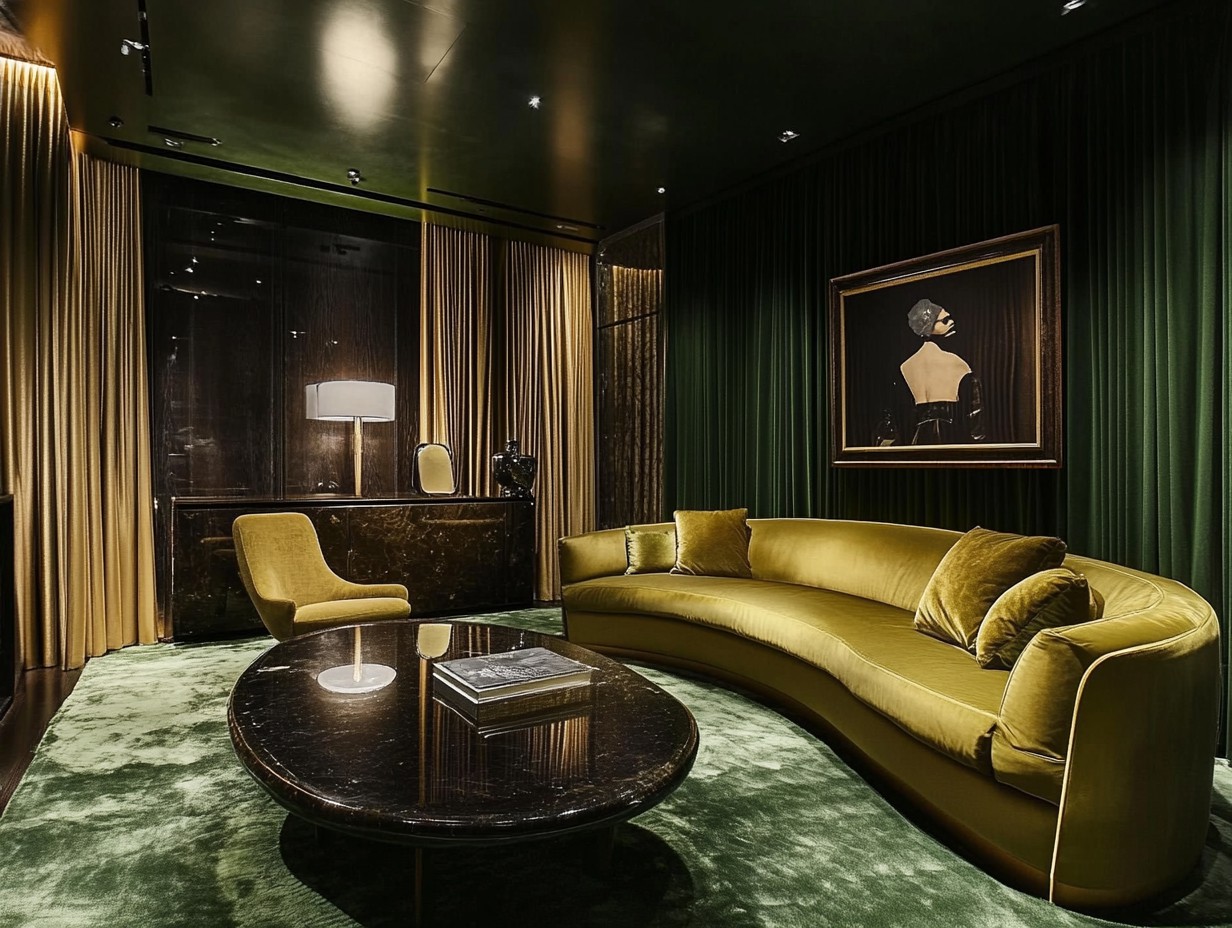
For many travelers, the pinnacle of a luxurious escape is not just the destination, but the sanctuary they return to at the end of the day. While a standard hotel room can be perfectly comfortable, ascending to the world of suites unlocks a new dimension of space, privacy, and personalized service. However, the term "suite" is one of the most varied and sometimes confusing in the hospitality industry. What one hotel calls a Junior Suite, another might label a studio, and the features can vary dramatically. This guide is designed to demystify the world of high-end accommodations, helping you understand the distinct categories of suites, identify the key features that signify true luxury, and decide when the splurge is a worthy investment in your travel experience.
What Truly Defines a "Suite"?
At its most fundamental level, a hotel suite is an accommodation that offers more space than a standard room, typically by including a designated living or sitting area that is separate from the sleeping space. The word "separate" is key here, and it's where the definitions begin to diverge. In its truest form, a suite features a bedroom that is physically separated from a living room by a wall and a door, creating a multi-room, apartment-like environment. This separation provides a crucial sense of privacy and functionality, allowing one guest to sleep while another watches television, or enabling a traveler to host a meeting without inviting colleagues into their bedroom.
However, the hotel industry often uses the term more liberally. You will frequently encounter "Junior Suites" or "Studio Suites" that are essentially just very large single rooms. While they offer more square footage and a defined sitting area with a sofa or armchairs, they lack the physical wall and door of a "true" suite. This guide will break down the common hierarchy, from these entry-level suites to the palatial residences at the top of the hotel, so you can book with confidence, knowing exactly what kind of space and privacy you are paying for.
The Junior Suite: The Entry Point to Elegance
The Junior Suite is often the first step up from a hotel's premium or deluxe room categories. It serves as an accessible introduction to suite-style living. The defining characteristic of a Junior Suite is its open-plan layout. It is a single, larger room that has been cleverly zoned to create distinct areas for sleeping and lounging. You will typically find a king-sized bed, and at the other end of the room, a sitting area furnished with a sofa, a couple of armchairs, and a coffee table. There is no physical wall separating these two spaces.
Think of it as a spacious studio apartment. The added square footage makes a significant difference in comfort, preventing the feeling of being confined to just a bed and a desk. It allows for more room to spread out, store luggage, and relax in a space that isn't solely dedicated to sleeping. While it doesn't offer the privacy of a true suite, it's an excellent choice for solo travelers or couples on a shorter stay who desire more breathing room and a touch of luxury without committing to the price point of a one-bedroom suite. It's the perfect compromise between a standard room and a full suite experience.
The One-Bedroom Suite: The Classic Choice
This is what most people picture when they hear the word "hotel suite." The One-Bedroom Suite is the industry standard and represents a significant leap in both luxury and functionality. Its most important feature is the physical wall and door that completely separates the bedroom from the living room. This creates two distinct, private spaces, which fundamentally changes the way you can use the accommodation.
The living room acts as a central hub, typically furnished with a full-size sofa (often a sofa bed), armchairs, a coffee table, and its own entertainment system. Many One-Bedroom Suites also include a small dining area with a table and chairs, and sometimes a kitchenette with a microwave, sink, and mini-fridge. Some may even feature a half-bathroom or powder room off the living area, which is a massive bonus for privacy if you are entertaining guests or traveling with family. The separate bedroom is a private sanctuary. This layout is incredibly versatile, making it ideal for couples on longer vacations, as it allows for personal space. It is also a fantastic option for families with young children; the parents can put the kids to bed on the sofa bed in the living room and retreat to their own private bedroom, enjoying a quiet evening without having to whisper in the dark.
The Corner Suite: A Room with a View (or Two)
As the name suggests, a Corner Suite is located on a corner of the hotel building. Its primary advantage and defining feature is not necessarily its layout—which could be that of a Junior or One-Bedroom Suite—but its panoramic views. Occupying a corner position means the suite typically has windows on at least two sides of the building, flooding the space with natural light and offering a wider, more dramatic perspective of the city skyline, ocean, or surrounding landscape.
The dual-aspect views can make the suite feel larger, brighter, and more connected to the destination. Waking up to a sunrise from one window and watching the city lights emerge from another is a unique experience. Because of their desirable location, Corner Suites are often designed with premium furnishings and might have slightly unconventional, interesting layouts to maximize the window space. This category is the perfect choice for travelers who are visually driven and for whom the view is a critical component of their hotel stay. If you want to feel immersed in your surroundings from the moment you open your eyes, a Corner Suite is often worth the premium.
The Executive Suite: Designed for Business and Pleasure
Positioned a clear step above the standard One-Bedroom Suite, the Executive Suite is tailored for the discerning traveler who requires a higher level of comfort, space, and functionality, often with a nod to business needs. These suites are typically larger, with a more expansive living area that can comfortably accommodate small, informal meetings. A key differentiator is often the inclusion of a larger, more formal workspace or a dining table that can double as a conference table for four to six people.
The amenities are also enhanced. You might find upgraded technology, such as a printer/scanner, more accessible power outlets, or a larger television ideal for presentations. Crucially, booking an Executive Suite frequently grants guests access to the hotel's Club or Executive Lounge. This exclusive-access area is a significant perk, offering complimentary breakfast, all-day refreshments, and evening cocktails and hors d'oeuvres. For business travelers, this provides a quiet, refined space to work or network. For leisure travelers, it adds tremendous value and a heightened sense of exclusivity. The Executive Suite is for those who blend work with travel or simply appreciate a more sophisticated and serviced environment.
The Themed or Specialty Suite: A Unique Experience
For travelers seeking a stay that is truly one-of-a-kind, Themed Suites offer an escape into a world of curated design and storytelling. These suites break away from the standard hotel decor and are meticulously designed around a specific concept, person, or brand. This could be a "Cinema Suite" with a private screening room, a "Royal Suite" decorated in a historical period style, a "Fashion Suite" designed in collaboration with a famous designer like Dior or Tiffany & Co., or even a whimsical suite themed around a character like James Bond or Eloise at The Plaza.
The allure of these suites lies in their absolute uniqueness and immersive atmosphere. Every detail, from the artwork and furniture to the books on the shelves and the in-room amenities, is chosen to reinforce the theme. Staying in one is less about accommodation and more about participating in an experience. They are, of course, priced at a premium due to their novelty and exclusivity. Themed Suites are an exceptional choice for celebrating a very special occasion, indulging a personal passion, or for the traveler who has seen it all and is looking for something utterly new and memorable.
The Penthouse Suite: Top-Floor Splendor
The term "penthouse" immediately evokes images of exclusivity, glamour, and breathtaking views. Located on the upper floors of a hotel, a Penthouse Suite's most prized asset is its commanding, elevated perspective of the world below. While not always the hotel's most luxurious suite (that title often belongs to the Presidential), it is defined by its prime, high-altitude location. This elevation provides a sense of serene detachment from the hustle and bustle of the city.
Penthouse Suites are typically characterized by expansive layouts, often featuring floor-to-ceiling windows to maximize the stunning vistas. Many boast highly desirable features that are structurally possible only on the top floors, such as private outdoor terraces, rooftop gardens, skylights, or even duplex (two-story) layouts with dramatic staircases. The furnishings and amenities are of a very high caliber, designed to complement the magnificent setting. A Penthouse Suite is for the traveler who prioritizes views, natural light, and a sense of lofty seclusion.
The Presidential, Royal, or Imperial Suite: The Pinnacle of Luxury
This is the jewel in the hotel's crown. The Presidential Suite (or its equivalent, the Royal or Imperial Suite) is unequivocally the largest, most opulent, and most exclusive accommodation the property has to offer. There is typically only one such suite, and it is designed to be a statement of the hotel's ultimate capabilities in luxury and service. This is not just a suite; it is a sprawling, private residence within the hotel.
The scale is staggering. A Presidential Suite often encompasses multiple bedrooms and bathrooms, a vast living room for entertaining, a formal dining room that can seat ten or more guests, a fully equipped gourmet kitchen, a private library or office, and sometimes even a media room, private gym, or grand piano. The features are unparalleled: think private elevators, bulletproof windows, and expansive terraces with private swimming pools or jacuzzis. Service is paramount, with a dedicated 24/7 butler, a private chef on call, and a separate service entrance for staff to ensure maximum discretion. Reserved for heads of state, royalty, A-list celebrities, and the ultra-wealthy, the Presidential Suite is the ultimate expression of hospitality, offering an experience where, quite literally, no request is too large.
Decoding the Details: What to Look For in a Luxury Suite
Beyond the simple category name and square footage, the true value of a suite lies in its details. A well-designed suite anticipates your needs and provides a seamless, elevated experience. When you're considering an upgrade, look beyond the price tag and examine these key features that separate a good suite from a truly great one.
Space, Layout, and Privacy
The layout is just as important as the size. A "true" suite should always have a solid door separating the bedroom from the living area. This is non-negotiable for true privacy. Another game-changing feature is a second bathroom, often a smaller powder room (a toilet and sink) located off the living area. This is invaluable if you're traveling with family or plan to have visitors, as it keeps your master bathroom ensuite completely private. Furthermore, look for the ultimate luxury: private outdoor space. A balcony or, even better, a spacious terrace with seating transforms the suite, offering a private oasis to enjoy a morning coffee or an evening cocktail while taking in the view.
In-Suite Amenities: The Creature Comforts
The quality of the amenities is a clear indicator of a suite's standing. In the bathroom, look for more than just a standard tub. A truly luxurious suite will offer a deep soaking tub separate from a glass-enclosed rainfall shower. Dual vanities are a must for couples, as are high-end, often full-sized, toiletries from coveted brands like Le Labo, Byredo, or Acqua di Parma. The experience is completed with Frette linens, plush bathrobes, and high-quality slippers. For refreshments, a generic mini-bar is standard; a great suite offers a curated private bar with premium spirits, a Nespresso or other high-end coffee machine with a wide selection of pods, and a thoughtful welcome amenity, such as a bottle of chilled Champagne and artisanal chocolates.
Exclusive Services: The Human Touch
Luxury is ultimately defined by service. The most significant service upgrade that comes with top-tier suites is dedicated butler service. A professional butler is a personal assistant for the duration of your stay, handling everything from unpacking and packing your luggage, pressing garments, and drawing a perfect bath to making restaurant reservations and serving in-suite meals. Another key service is private in-suite check-in, allowing you to bypass the lobby and be escorted directly to your room. Finally, a major value-add is access to the Club or Executive Lounge. This private lounge offers a complimentary and high-quality food and beverage program throughout the day, including breakfast, afternoon tea, and evening cocktails with canapés, along with the services of a dedicated concierge team. This perk alone can significantly enhance your stay and offer substantial value.
The Intangibles: Views and Ambiance
Some of the most important features of a suite cannot be listed on a spec sheet. The quality of the view can be the single most defining characteristic. A suite overlooking Central Park, the Eiffel Tower, or a pristine ocean horizon provides a priceless, ever-changing backdrop to your stay. Pay attention to the hotel's description of the view—is it "city view" or "skyline view"? Is it "partial" or "panoramic"? The ambiance is also critical. Great suites feel curated, not just furnished. They feature high-quality, comfortable furniture, original artwork that reflects the local culture, thoughtful lighting design, and superior soundproofing that creates a peaceful, serene environment high above the bustling world outside.
Is a Suite Upgrade Worth the Investment?
The jump in price from a room to a suite can be substantial, leading to the inevitable question: is it worth it? The answer depends entirely on the nature of your trip and your personal priorities. A suite is not just a bigger room; it's an investment in a different kind of travel experience. For some trips, it's an unnecessary extravagance. For others, it's the very thing that makes the trip unforgettable.
Celebrating Special Occasions
This is the classic and most compelling reason to splurge. For honeymoons, milestone anniversaries, or landmark birthdays, a suite transforms the trip into a true celebration. The extra space, luxurious amenities, and romantic ambiance create a private, intimate world for two. The living room provides a beautiful setting for a private dinner or a Champagne toast, and the overall experience becomes a core part of the happy memory you are creating. For these once-in-a-lifetime events, the emotional return on investment is immeasurable.
Traveling with Family or Groups
On the surface, booking a suite for a family trip may seem like an indulgence, but it can be surprisingly practical. A One-Bedroom Suite with a sofa bed in the living room can often be more comfortable and sometimes more cost-effective than booking two separate connecting rooms. It provides a central living space for the family to gather, play games, or watch a movie. Crucially, it gives parents a private bedroom to retreat to once the children are asleep, offering a level of privacy and normalcy that is impossible to achieve when sharing a single room.
The Business Traveler's Advantage
For the modern executive, a suite can be a powerful business tool. On a long or high-stakes trip, the separation of living and sleeping areas allows for a much-needed mental division between work and rest. The living room, particularly in an Executive Suite, can be used to host small, discreet meetings with clients or colleagues, projecting an image of success and saving the time and expense of renting a formal meeting room. The enhanced workspace and amenities like Club Lounge access can also boost productivity and provide valuable networking opportunities.
The Extended Stay
If you are planning to stay in one location for a week or longer, the benefits of a suite increase exponentially. Living out of a single room for an extended period can quickly lead to feeling cramped and disorganized. A suite provides a more residential, apartment-like feel that is essential for long-term comfort. Features that might seem like minor perks on a short trip, such as a kitchenette, a proper dining table, and extra closet space, become invaluable necessities during a longer stay, making your hotel feel more like a home.
Getting the Best Value on Your Suite Experience
Splurging on a suite doesn't always mean paying the full rack rate. Smart travelers can find ways to access these premium rooms for less. Hotel loyalty programs are your best friend; elite status members are often at the top of the list for complimentary suite upgrades, especially during off-peak times. Traveling during the off-season or mid-week not only means lower prices but also lower occupancy, which increases your chances of a coveted upgrade. Don't underestimate the power of booking directly with the hotel and establishing a polite, friendly rapport with the staff. Finally, keep an eye out for special promotions or packages that bundle a suite with other perks like resort credits or included meals, which can offer excellent overall value.
Your Suite Dream Awaits
Understanding the landscape of luxury hotel suites empowers you to make a choice that perfectly aligns with your needs, budget, and desires. It's about knowing that a Junior Suite is for extra space, a One-Bedroom Suite is for privacy, an Executive Suite is for service, and a Presidential Suite is for pure fantasy. A truly exceptional suite is a masterful blend of generous space, thoughtful amenities, impeccable service, and an atmosphere that makes you feel both perfectly at home and wonderfully transported. By seeing the upgrade not just as an expense but as an investment in the quality of your experience, you can unlock a new level of travel. On your next journey, consider the possibilities—your suite dream is waiting.