The Rise of 'Bleisure': Mastering the Art of Combining Business Travel with Luxurious Leisure Stays
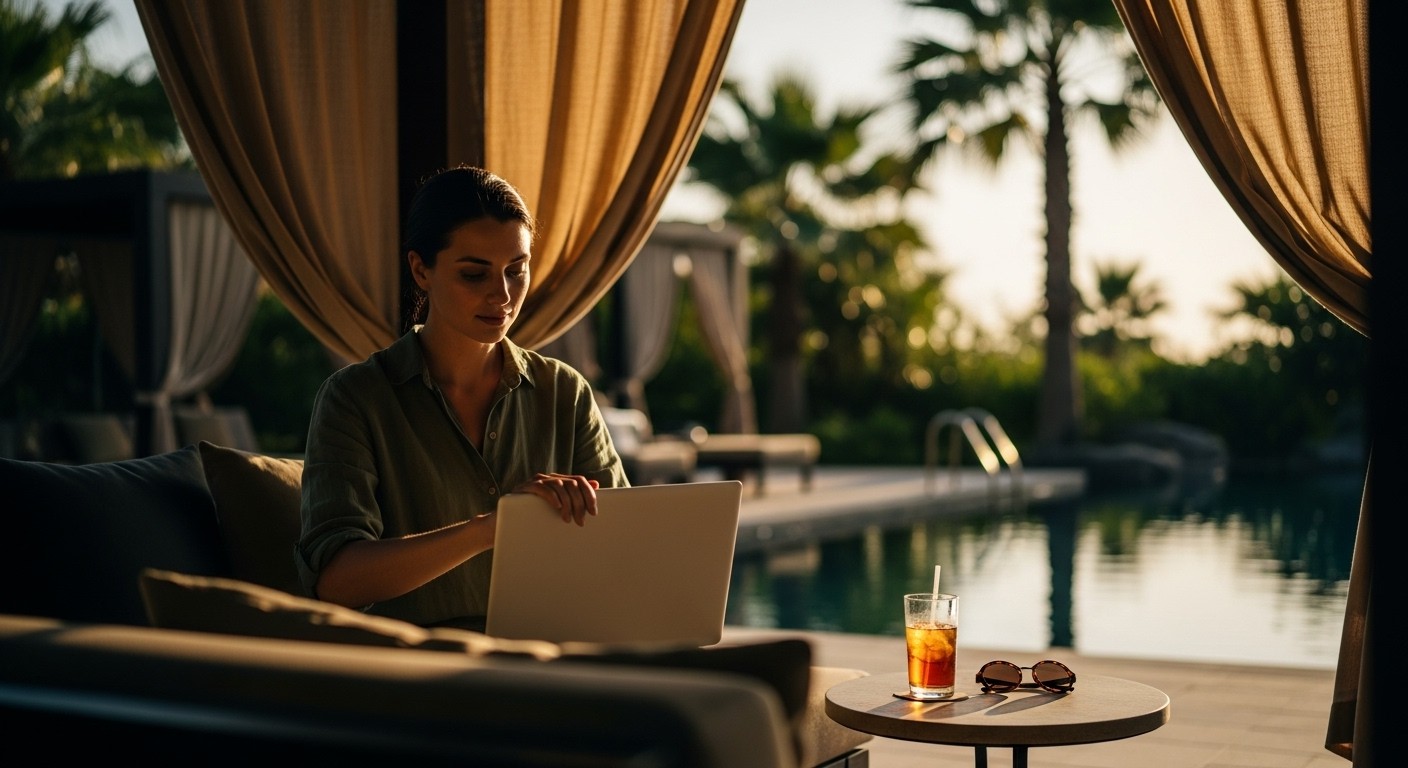
The modern professional landscape is in a state of perpetual evolution. The rigid lines that once separated our work lives from our personal lives have blurred, giving way to a more integrated, fluid approach to both productivity and well-being. Nowhere is this transformation more apparent than in the world of corporate travel. The days of the whirlwind 24-hour trip—flying in for a meeting and flying out before the city has truly woken up—are being replaced by a more intentional, enriching, and ultimately more sustainable model. Welcome to the era of 'bleisure', the sophisticated portmanteau for the artful blending of business and leisure travel. Mastering the art of bleisure is the new frontier for the discerning global professional, turning every business trip from a logistical necessity into a golden opportunity for exploration and rejuvenation.
Understanding the Bleisure Revolution: More Than Just a Perk
The surge in bleisure travel is not a random occurrence; it is fueled by a confluence of powerful cultural and corporate shifts. At its core is the new work paradigm. With the rise of remote and hybrid models, companies are increasingly focused on outcomes rather than hours clocked in a specific location. This flexibility naturally extends to travel. If an employee can be productive from anywhere, the logic follows that they can add personal days to a work trip without diminishing their professional output. In fact, the opposite is often true. A professional who has had a day or two to acclimatize, explore, and decompress is likely to be more focused, creative, and engaged during their business engagements.
Forward-thinking companies are also embracing bleisure as a powerful tool for employee well-being and retention. The traditional model of business travel often leads to burnout, with professionals feeling drained by constant transit, time-zone shifts, and the isolation of unfamiliar hotel rooms. By encouraging employees to extend their stays, companies are making a tacit investment in their mental health. It reframes the trip from a grueling obligation to an attractive perk, a chance to see the world on the company's travel dime. This fosters loyalty and makes a company a more attractive place to work in a competitive talent market.
There's an undeniable element of cost-efficiency and value. The most expensive part of any international or long-haul trip is typically the airfare. Once the company has covered this significant expense, the incremental cost for the employee to add a few extra nights of accommodation is comparatively small. It allows the traveler to experience a destination they might not have otherwise visited, maximizing the return on investment for both the company's travel budget and the employee's personal time. The result is a win-win scenario: the company gets a refreshed and motivated representative, and the employee gets a mini-vacation, fostering a deeper cultural connection to the cities they work in and transforming a sterile business trip into a memorable life experience.
Strategic Planning: The Art of Extending Your Business Trip
Successfully transforming a standard business trip into a rewarding bleisure experience requires a degree of foresight and planning. It begins long before you pack your suitcase, with clear communication and smart logistics. The first and most crucial step is to have a transparent conversation with your manager or HR department. Frame your request not as a vacation, but as a strategic addition to your trip. Explain how arriving a day early will help you acclimate to the time zone and be at peak performance for Monday's meeting, or how staying through the weekend will allow you to decompress after an intense conference, ensuring you return to the office refreshed and not exhausted. It is vital to clarify the expense policy upfront. Typically, the company covers flights and accommodation for the business portion, while the employee is responsible for accommodation, meals, and activities during the added leisure days. Getting this in writing prevents any future misunderstandings.
Next, consider the "Bookend Strategy". Will you add your leisure days before or after your business commitments? Adding days at the beginning is an excellent way to combat jet lag. You can arrive, settle in, and explore the city at a relaxed pace, ensuring you are well-rested and mentally sharp when your work begins. Adding days at the end, however, is often more popular. It provides a clear reward to look forward to. After the final presentation is given or the last deal is signed, you can mentally "clock out" and transition fully into vacation mode, using the time to unwind and explore without any lingering work obligations. The choice depends on your personal preference and the nature of your trip.
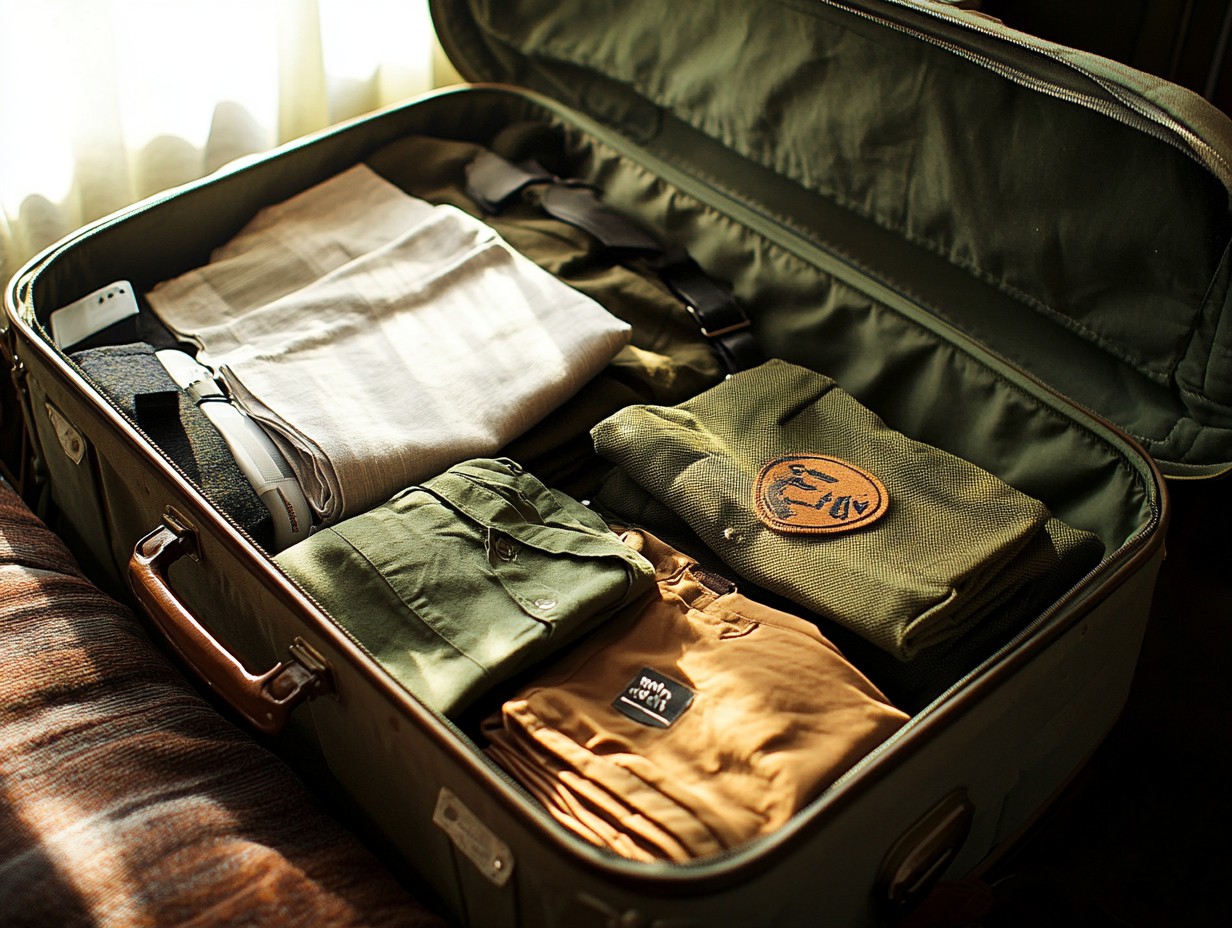
Logistical mastery is also key. When booking flights, look for options that allow for flexible date changes without exorbitant fees. Your packing strategy must also adapt. This is the art of the "two-in-one" wardrobe. Focus on versatile, high-quality pieces that can be dressed up for a client dinner or dressed down for a day of sightseeing. Think dark, well-fitting denim, a classic blazer, neutral-colored knitwear, and comfortable yet stylish footwear. Packing cubes become your best friend, allowing you to mentally and physically separate your "business" attire from your "leisure" wear. Finally, set clear boundaries. Ensure your out-of-office message clearly delineates your working days from your personal days to manage expectations back at the home office.
The Crucial Choice: Selecting the Perfect Bleisure Hotel
For the bleisure traveler, the hotel is not merely a place to sleep. It is your remote office, your wellness sanctuary, your social hub, and your launchpad for urban exploration. Choosing the right property is arguably the single most important decision you will make. The ideal bleisure hotel is a masterful blend of functionality and fantasy, catering seamlessly to both the diligent professional and the relaxed vacationer. When evaluating your options, consider a checklist that balances the needs of both your personas.
First, the non-negotiables for business. The absolute, undeniable top priority is high-speed, reliable, and secure Wi-Fi. A weak or spotty connection can derail a video conference or prevent you from sending a critical file, rendering your remote work impossible. Scour hotel reviews specifically for comments on internet quality. Equally important is a proper workspace within the room. A tiny, decorative desk wedged into a corner simply will not suffice. You need an ergonomic chair and a desk with ample surface area and accessible power outlets. Beyond the room, look for hotels with excellent business centers, private meeting rooms available for hourly rental, and efficient printing and courier services. Finally, location is paramount. The hotel should be conveniently located for your business meetings, but ideally, it should also be situated in a vibrant, interesting neighborhood that allows for easy exploration during your downtime, saving you precious time in transit.
Once the business criteria are met, you can focus on the essential elements for leisure. This is what separates a generic business hotel from a true bleisure haven. Look for world-class wellness facilities. After a long day of meetings, the ability to decompress in a sauna, get a deep-tissue massage at an on-site spa, or work out in a state-of-the-art gym is invaluable. A stunning rooftop pool can be the ultimate urban oasis, a place to disconnect and soak in the city from a serene distance. Exceptional dining options are also a must. A great bleisure hotel should offer a range of culinary experiences under one roof: a casual café for a quick, high-quality coffee and breakfast; a lively lobby bar for a post-work cocktail; and a destination signature restaurant for a celebratory meal. This provides convenience without sacrificing quality.
The hotel's overall ambiance is a critical, though less tangible, factor. Avoid sterile, cookie-cutter corporate hotels. Instead, seek out properties with character and a strong sense of place—be it a chic boutique hotel, a grand historic building, or a cutting-edge design hotel. The environment should help you mentally transition from work mode to relaxation mode. Look for hotels with a vibrant "third space" lobby—a beautifully designed, comfortable lounge area where you can work, socialize, or simply read a book with a glass of wine. Lastly, never underestimate the power of an expert concierge. A great concierge is a city's gatekeeper. They can provide insider tips on the best local restaurants, secure last-minute tickets to a sold-out show, and design a personalized walking tour of a hidden neighborhood. They are the key to unlocking an authentic, memorable leisure experience.
Maximizing Your Downtime: From Micro-Moments to Full-Day Explorations
Even the most perfectly planned bleisure trip requires a conscious effort to seize the moments of leisure. It’s about being present and intentional with your free time, whether you have two hours or two full days. One of the most powerful concepts in bleisure is that of "micro-leisure." This is the practice of finding small pockets of joy and discovery within the framework of your business day. Instead of using the hotel treadmill, put on your running shoes and go for a jog through a nearby park at sunrise. Skip the generic coffee chain and walk ten minutes to a local artisanal roaster. If you have a 90-minute gap between meetings, use it to visit a small, nearby art gallery rather than sitting in your hotel room answering emails. Choose to walk to your client lunch instead of taking a taxi, allowing you to absorb the architecture and street life along the way. These small choices accumulate, transforming the texture of your business day from stressful to stimulating.
When you transition from your business days to your dedicated leisure days, it’s important to create a "switch-off" ritual. This is a psychological line in the sand that signals to your brain that it's time to relax. It can be a simple act: physically putting your work laptop and papers away in your suitcase, out of sight. It could be changing out of your work attire and into casual clothes. A powerful ritual is to use the hotel's wellness facilities as a transition—a long swim, a steam room session, or a spa treatment can effectively wash away the stresses of the work week and prepare you for your leisure time.
When curating your leisure itinerary, aim to be a temporary local, not a frantic tourist. Avoid the temptation to tick off every major sight in the guidebook. Instead, pick one or two neighborhoods and explore them deeply on foot. Ask the concierge for their favorite non-touristy restaurant or the best spot to simply sit and people-watch. Embrace experiences over sights: take a local cooking class, wander through a food market, or buy a ticket to a local sporting event or concert. Traveling for work often means traveling solo, and this is a wonderful opportunity to embrace the freedom of solo exploration. You can spend three hours in a single museum exhibit or enjoy a leisurely meal at the bar of a great restaurant, chatting with the bartender. Finally, don't overschedule your leisure time. The point is to decompress. Plan a "Decompression Day" for your first day off, where the only things on the agenda are sleeping in, ordering indulgent room service, and lounging by the pool with a good book. This rest is just as valuable as active exploration.
The Future of Travel is Blended
Bleisure is more than a clever buzzword; it represents a more holistic, humane, and intelligent way to approach professional life on the road. It acknowledges that we are not one-dimensional beings who can simply switch our humanity off for the sake of business. By weaving moments of personal discovery and relaxation into the fabric of our work trips, we become better professionals—more resilient, more culturally aware, and more inspired.