Fujiya Hotel

“Step into Meiji-era elegance at this historic mountain retreat in Hakone.”

Our Review

Overview

Fujiya Hotel is a landmark of Japan’s resort tradition, tracing its origins to 1878 in the hillside enclave of Miyanoshita. Across more than a century, this property has evolved while safeguarding its historic character, offering guests a calm base for Hakone’s lakes, open-air art, and volcanic landscapes. The mood is unmistakably classic—decorative timberwork, tiled gables, and ornamental details—yet refreshed to meet modern expectations without diluting a sense of time and place.

Location & Setting

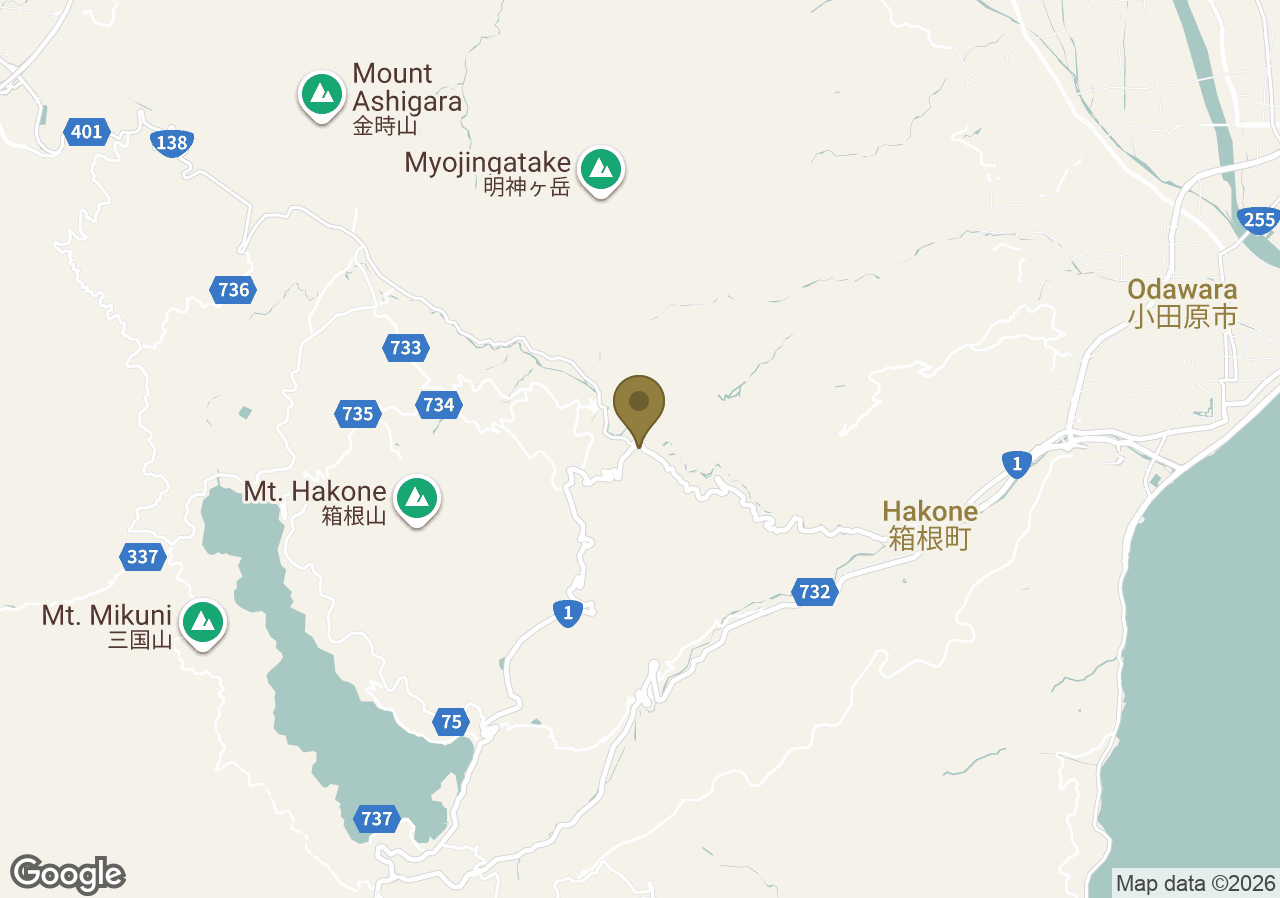
Nestled in central Hakone, the accommodation sits a short walk from Miyanoshita Station, placing guests within easy reach of ropeways, museums, and Lake Ashi cruises. Its gardens and wooded slopes provide a buffer from day-tripper bustle, so days can alternate between quiet hours on property and effortless exploration of the area’s highlights.

Design & Heritage

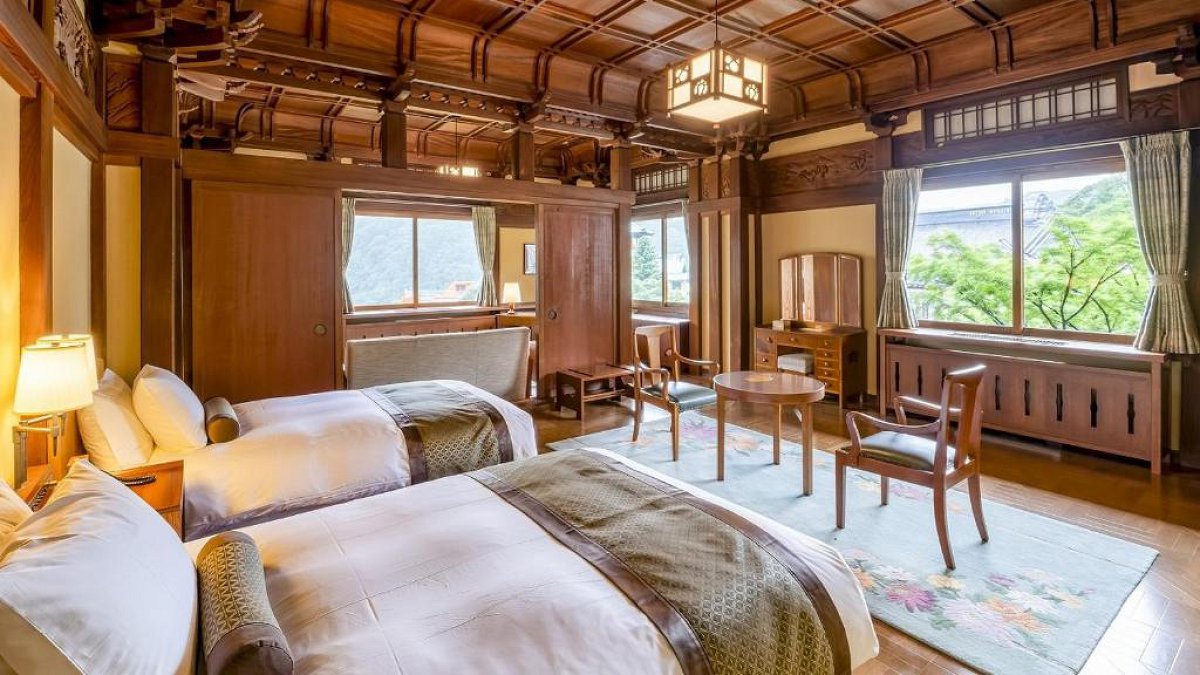
This hotel’s charm lies in a rare ensemble of heritage buildings. Four wings—The Main, Comfy Lodge & Restful Cottage, Flower Palace, and Forest Wing—combine Japanese craftsmanship with Western resort motifs. The first three are registered as cultural assets, and it shows: coffered ceilings, carved panels, patterned transoms, and red-railed balconies evoke the romance of early travel while remaining purposeful rather than ornamental. The celebrated Flower Palace concentrates many of these details, from intricate roofing to period woodwork, making simply walking the corridors part of the experience.

Rooms

Guestrooms continue the retro-modern story with warm woods, period lighting, and generous proportions. Layouts and atmospheres differ by building—some rooms feel like a Meiji-era salon; others lean toward understated mid-century—yet all favor comfort over flash. A defining feature here is access to natural hot-spring water in every room, allowing private soaks without leaving your quarters. Views take in gardens, forested ridgelines, or courtyards, and insulation and bedding upgrades ensure that old-world ambience comes with contemporary sleep quality.

Dining

On the culinary front, the hotel assembles French, Japanese, and Western venues under one roof, so guests can vary the tone from nostalgic classics to seasonal kaiseki. The Main Dining Room, a house favorite since 1930, frames meals with wood-paneled grandeur and a gentle pace. Lighter interludes are handled by the lounge and bakery, where signature sweets—most famously an apple pie—have a loyal following. Menus are not showy; instead, they prioritize well-executed tradition and local produce.

Wellness & Facilities

Beyond in-room baths, the spa taps multiple spring sources for large communal soaking areas with mountain views, complemented by treatment rooms, a gym, and relaxation spaces. An atmospheric indoor pool—long part of the property’s lore—uses hot-spring water, and a summertime outdoor pool sits by the gardens for leisurely laps. The Forest Lounge offers a quiet library-style refuge for reading or planning hikes, while a small gallery displays artworks that celebrate the hotel’s architecture and history.

Verdict

For travelers who value character and context over flash, this property is one of Hakone’s most rewarding stays. It blends storied architecture with present-day comfort, places you close to the region’s marquee sights, and centers each day around the restorative ritual of hot-spring bathing. Come for the history, stay for the easy rhythm: unhurried breakfasts, a museum or two, a long soak, and dinner beneath carved ceilings—classic Hakone, done with care.

Select Amenities & Features

Free Wi-Fi Free Wi-Fi
Swimming pool Swimming pool
Spa & wellness Spa & wellness
Laundry & dry cleaning Laundry & dry cleaning
Bar Bar
Restaurant Restaurant

Please note: This is not an exhaustive list of amenities.

Location

How to Get There

By Air
  • (HND) Tokyo Haneda: closest major airport; ~1.5–2 hours by road (≈90–100 km), traffic dependent.
  • (NRT) Tokyo Narita: ~2.5–3 hours by road (≈160–180 km), traffic dependent.
By Train
  • Miyanoshita (Hakone Tozan Railway): nearest station; ~3–5 minutes on foot.
  • Odawara (JR Shinkansen): ~35–45 minutes to Miyanoshita by Hakone Tozan Railway; ~30–40 minutes by car.
By Road
  • From Tokyo (central): ~1.5–2.5 hours (≈90–100 km), traffic dependent.
  • From Yokohama: ~1–2 hours (≈75–85 km), traffic dependent.
  • From Odawara: ~30–40 minutes (≈15–20 km).
  • Final stretch via winding mountain roads; drive cautiously, especially in winter.
From Hakone Open-Air Museum
  • ~5–10 minutes by car.

Note: Travel times are approximate and may vary with traffic and season.

Nearby Places & Attraction

Hakone Open-Air Museum
  • Outdoor sculpture park with art set among gardens and hills.
  • Distance: ≈2 km
  • Mode: walk or Hakone Tozan Railway; ~10–30 min
  • Best time: morning or late afternoon; Oct–Nov foliage is scenic
Gora Park
  • Terraced French-style garden with seasonal flowers and a central fountain.
  • Distance: ≈3 km
  • Mode: Hakone Tozan Railway to Gora, short walk; ~15–30 min
  • Best time: Mar–May and Oct–Nov; early morning for quieter paths
Ōwakudani (Volcanic Valley)
  • Active geothermal valley with fumaroles and views toward Mt. Fuji.
  • Distance: ≈6 km
  • Mode: Tozan Railway → Cable Car → Ropeway; ~40–60 min
  • Best time: clear mornings for views
  • Tip: Ropeway may suspend due to volcanic gases or wind—check status.
Lake Ashi (Ashi-no-ko)
  • Crater lake with cruise boats and Fuji views on clear days.
  • Distance: ≈9–12 km
  • Mode: direct bus to Motohakone or Ropeway to Togendai; ~20–60 min
  • Best time: morning for calmer water; Oct–Nov for autumn color
  • Tip: Combine Ropeway to Togendai with a lake cruise for a loop.
Hakone Shrine
  • Historic Shinto shrine in cedar forest with lakeside torii gate.
  • Distance: ≈12 km
  • Mode: bus to Motohakone-ko, short walk; ~30–45 min
  • Best time: early morning or late afternoon for fewer crowds
Pola Museum of Art
  • Modern museum in forest setting featuring Impressionist to contemporary works.
  • Distance: ≈4–5 km
  • Mode: bus toward Pola Bijutsukan; ~15–25 min
  • Best time: midday or rainy days; quieter galleries

General Tip: Services on the Tozan line, cable car, ropeway, and lake cruises have seasonal timetables—start early and check last departures; bus/road times are traffic dependent.

Seasonality Overview

Peak
  • Apr–May and Oct–Nov are cooler, generally clear, and scenic.
  • High visitor numbers for blossoms and foliage; strong booking demand.
Super-peak
  • Late Apr–early May, mid-Aug, late Dec–early Jan coincide with major holidays.
  • Highest crowding and occupancy; policies and availability often tight.
Shoulder
  • Mar and Sep are transitional; conditions and visibility can be variable.
  • Moderate crowds; more flexibility across stay patterns and durations.
Low/Off
  • Jun–early Jul is wetter; outdoor views are often limited.
  • Jan–Feb weekdays are quieter; onsen stays feel more tranquil.

Note: Month windows are indicative and may change year to year.

Other Information

Theme: Heritage, Mountain, Countryside
Check-in time: After 3:00 PM
Check-out time: Until 11:00 AM
Number of rooms: 120

Explore More Hotels

Gōra Kadan

Hakone, Japan

Twin Farms

Barnard, United States

Capella Bangkok

Bangkok, Thailand

The Oberoi Rajvilas

Jaipur, India