







Ancient Camphor Forest & Historic Village
- Relocated camphor forest and restored Ming–Qing dynasty courtyard houses surrounding the resort.
- Distance: ≈0 km
- Mode: Walk or bicycle within the estate; ~5–20 minutes
- Best time: Early morning or late afternoon for softer light and quieter paths
- Tip: Surfaces can be uneven; wear comfortable shoes for exploring courtyards and forest trails.
Shanghai Chedun Film Park
- Open-air film studio with streets, trams, and sets recreating 20th-century Shanghai scenes.
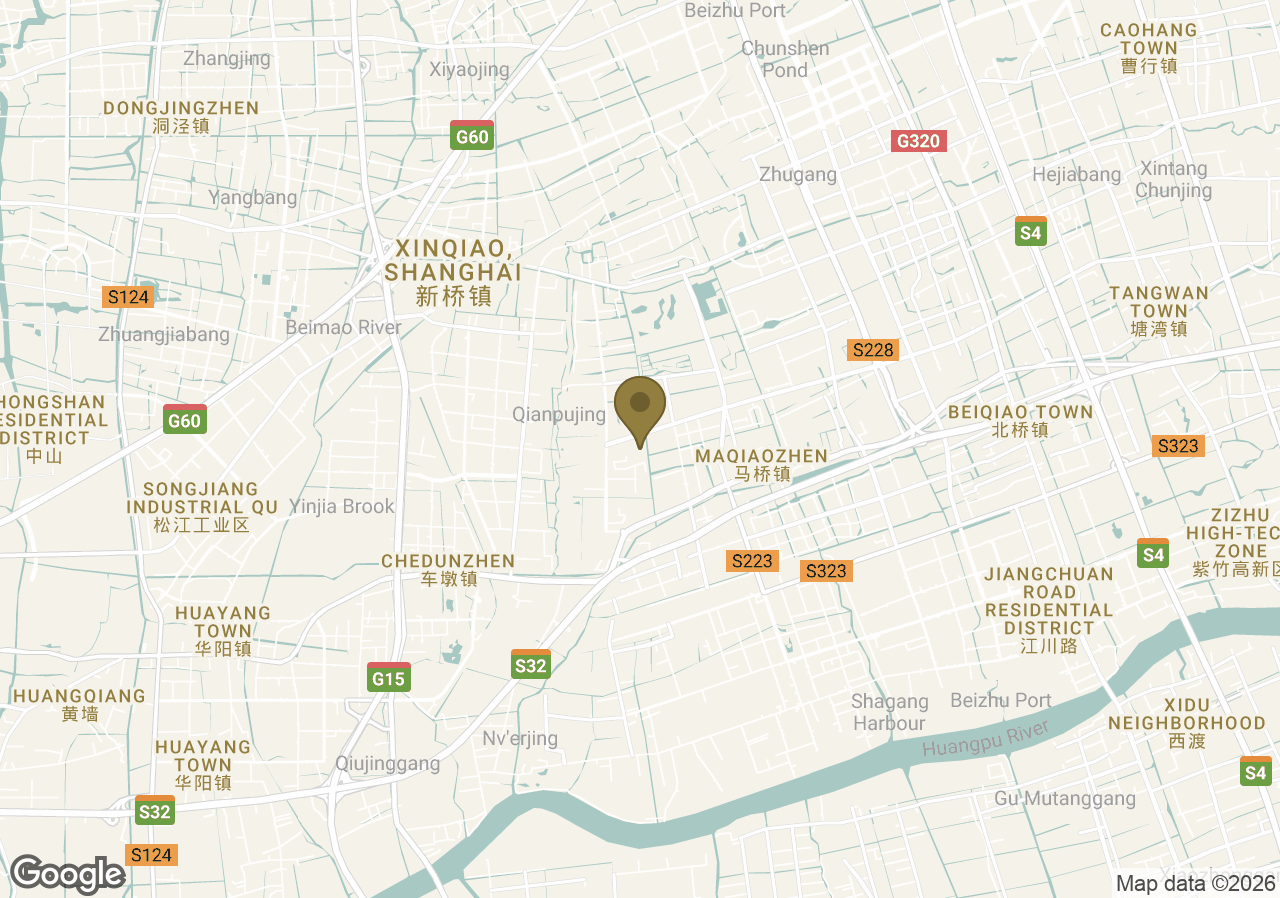
- Distance: ≈4–5 km
- Mode: Car or taxi; ~10–15 minutes
- Best time: Weekdays or early mornings for quieter streets and photos
- Tip: Parts of the park may close temporarily during active filming; check area notices on arrival.
Hanxiang Water Expo Garden
- Large water-themed park with lakes, bridges, and landscaped walking paths showcasing wetland and garden design.
- Distance: ≈5–6 km
- Mode: Car or taxi; ~10–15 minutes
- Best time: Spring and autumn; mornings or late afternoons for cooler temperatures
- Tip: The park covers a broad area; carry water and sun protection, especially in summer.
Zhujiajiao Ancient Water Town
- Historic canal town with stone bridges, narrow lanes, and well-preserved Ming–Qing architecture along the waterways.
- Distance: ≈35–45 km
- Mode: Car or taxi; ~50–70 minutes, traffic dependent
- Best time: Weekdays, especially early morning or late afternoon
- Tip: Aim to arrive before late morning to avoid group tours and allow at least half a day to wander streets and canals.
The Bund & Yu Garden, Central Shanghai
- Historic riverfront promenade along the Huangpu and nearby classical Chinese garden in the Old City.
- Distance: ≈25–30 km
- Mode: Car or taxi; ~45–70 minutes, traffic dependent
- Best time: Late afternoon into evening for riverfront views and illuminated skyline
- Tip: Combine a stroll along the Bund with Yu Garden and surrounding Old Town lanes in a single city-center visit.
General Tip: Distances to city-center and water-town sights involve expressways; group nearby places into half- or full-day outings and allow extra time for Shanghai traffic, especially around rush hours.