Setting & Design
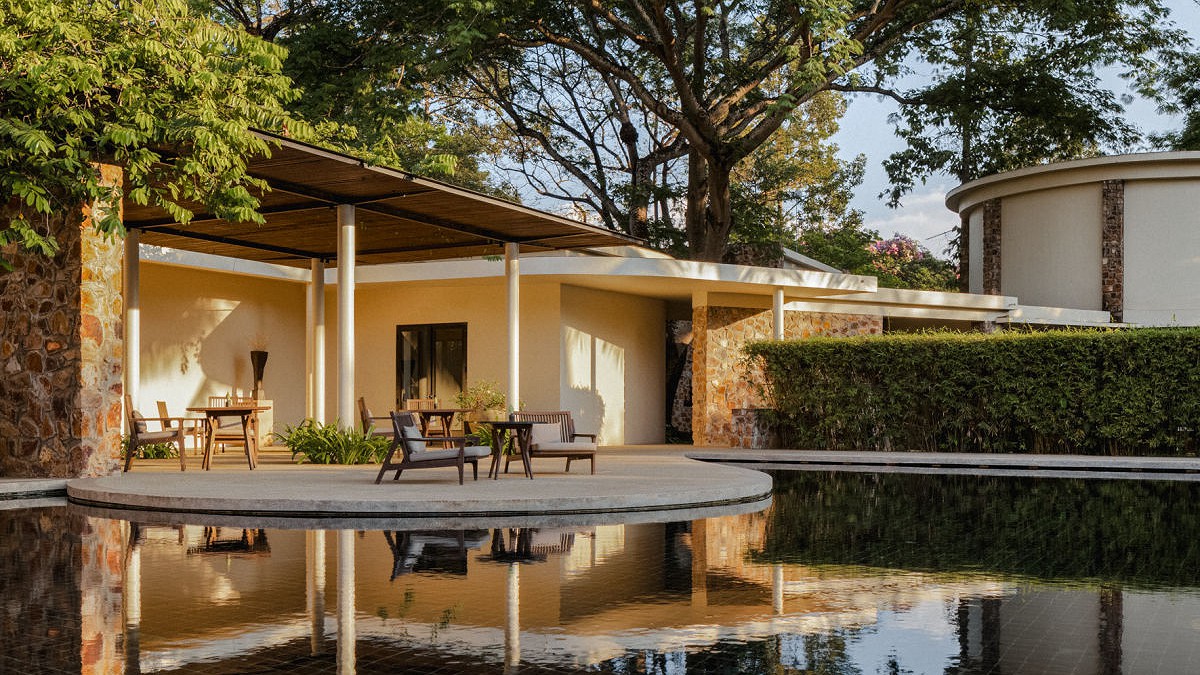
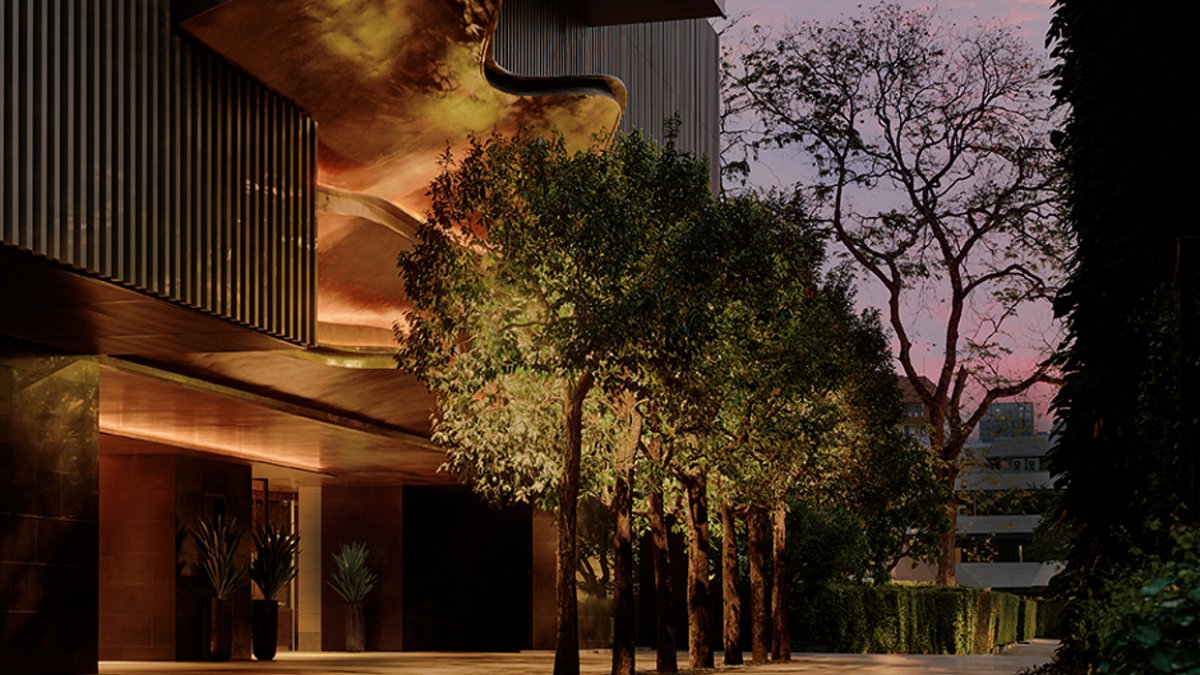
Amansara occupies a low-slung, modernist compound dating to the 1960s, originally created as a royal guesthouse during Cambodia’s creative “golden age.” Restored with restraint and a respect for line and light, the property pairs stark cream façades and long corridors with expansive lawns and mature trees that cast broad, dappled shade. Behind the high perimeter wall, the atmosphere feels hushed and residential, a deliberate contrast to the city’s energy outside. The hotel’s discreet arrival—often via a vintage black Mercedes from the airport—sets the tone for a stay that privileges calm, texture, and considered detail.
Suites & Layout
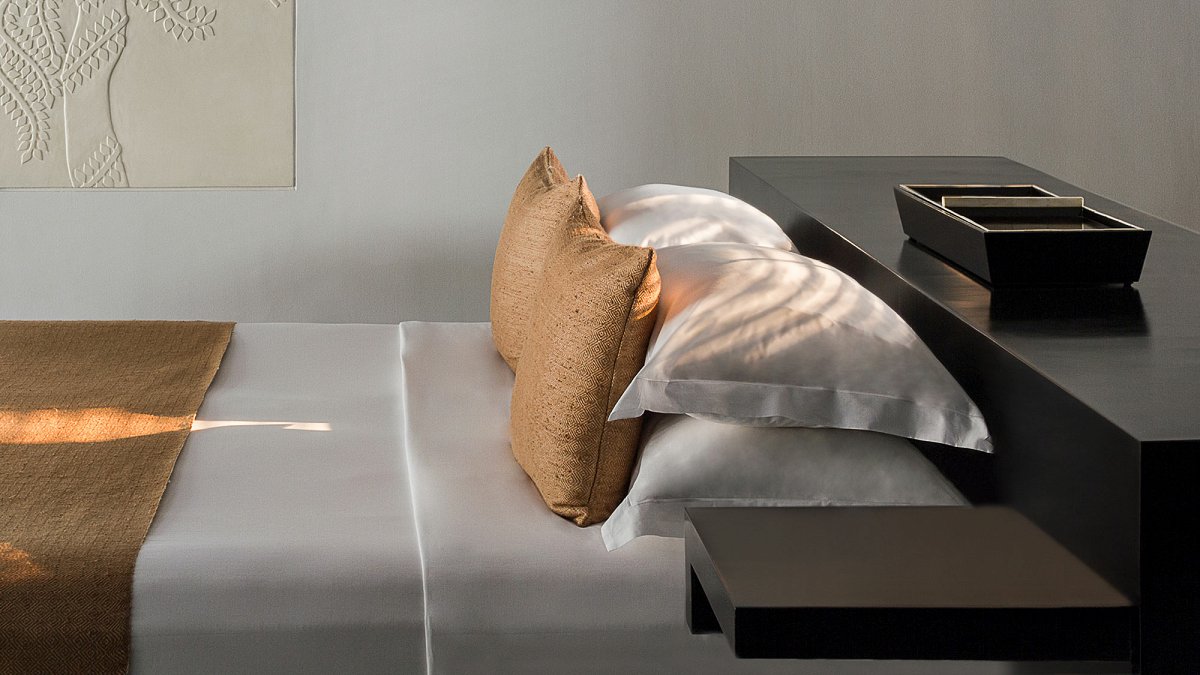
With only 24 keys, the accommodation keeps an intimate, retreat-like scale. Suites are generous and open plan, with a seamless flow from bedroom to living area to bath. Earthy, muted finishes—timber joinery, terrazzo underfoot, and soft neutrals—anchor the spaces, while sliding doors frame private courtyards that draw in natural light. Deep-soaking tubs encourage unhurried rituals after temple days. For added seclusion, Pool Suites layer in a plunge pool within the walled courtyard, turning the space into a personal sanctuary for morning laps or twilight dips.
Dining & Drink
Menus are intentionally compact yet varied, balancing international staples with delicately spiced Khmer cooking. A Kampot pepper tasting is a smart primer to local flavors, and afternoon tea—anchored by a moist banana cake—is a welcome interlude between excursions. The restaurant’s rotunda creates a calm, light-filled stage for unhurried meals, while curated experiences extend dining beyond the walls: breakfast at a traditional village house in the Angkor park, or sunset cocktails on a rooftop terrace, both placing cuisine within a sense of place. Service is attentive without ceremony, guiding rather than presiding.
Wellness & Experiences
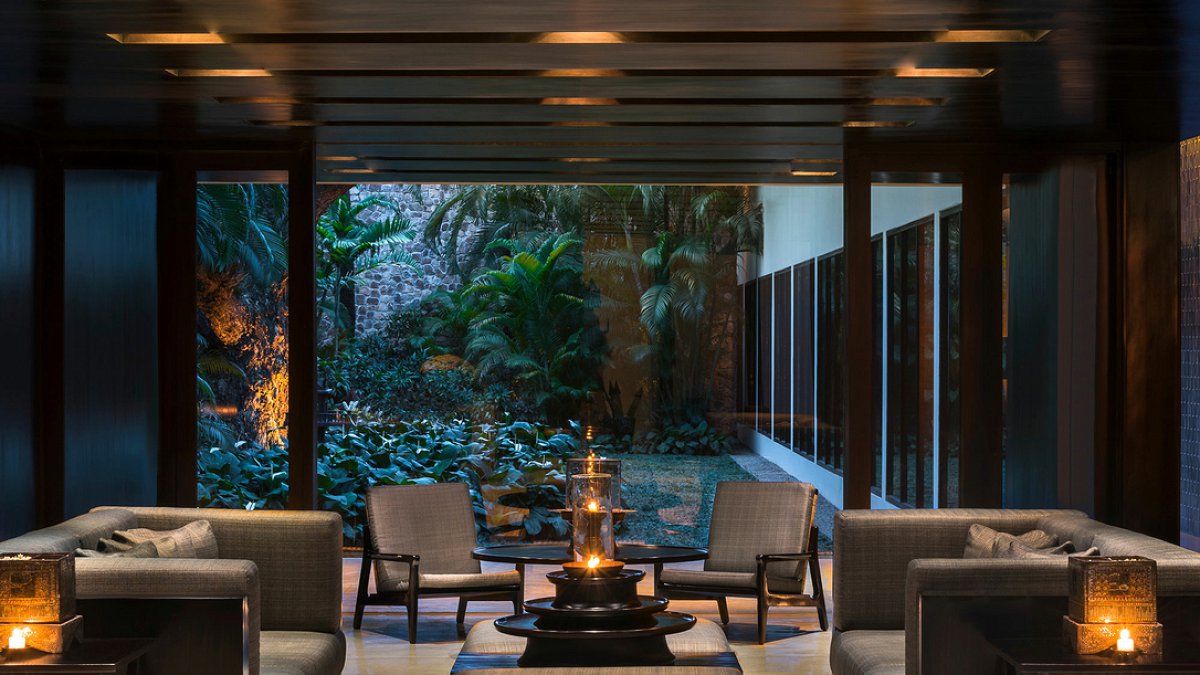
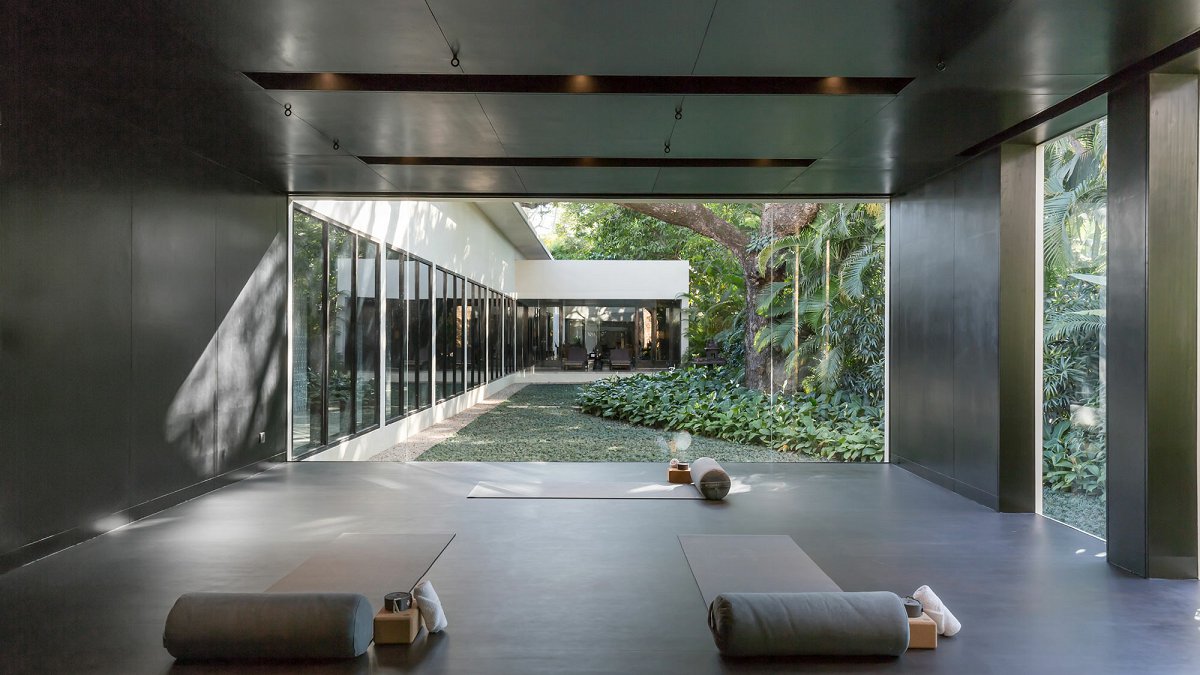
The spa, tucked away from the central courtyard, leans into a darker, cocooning palette scented with local botanicals. Treatments draw on Khmer traditions for grounding and recovery, complemented by an Aman-signature massage for travel-tired muscles. Beyond the treatment rooms, experiences are the real ballast of a stay here. The hotel can arrange fast-track arrival assistance, private temple touring at thoughtful hours, and contemplative cultural encounters—from meditative sessions at local pagodas to after-hours access in select settings—delivered with the quiet access and logistical finesse for which the brand is known. A lap pool and compact fitness studio round out the wellness program without breaking the overall calm.
Location & Surrounds
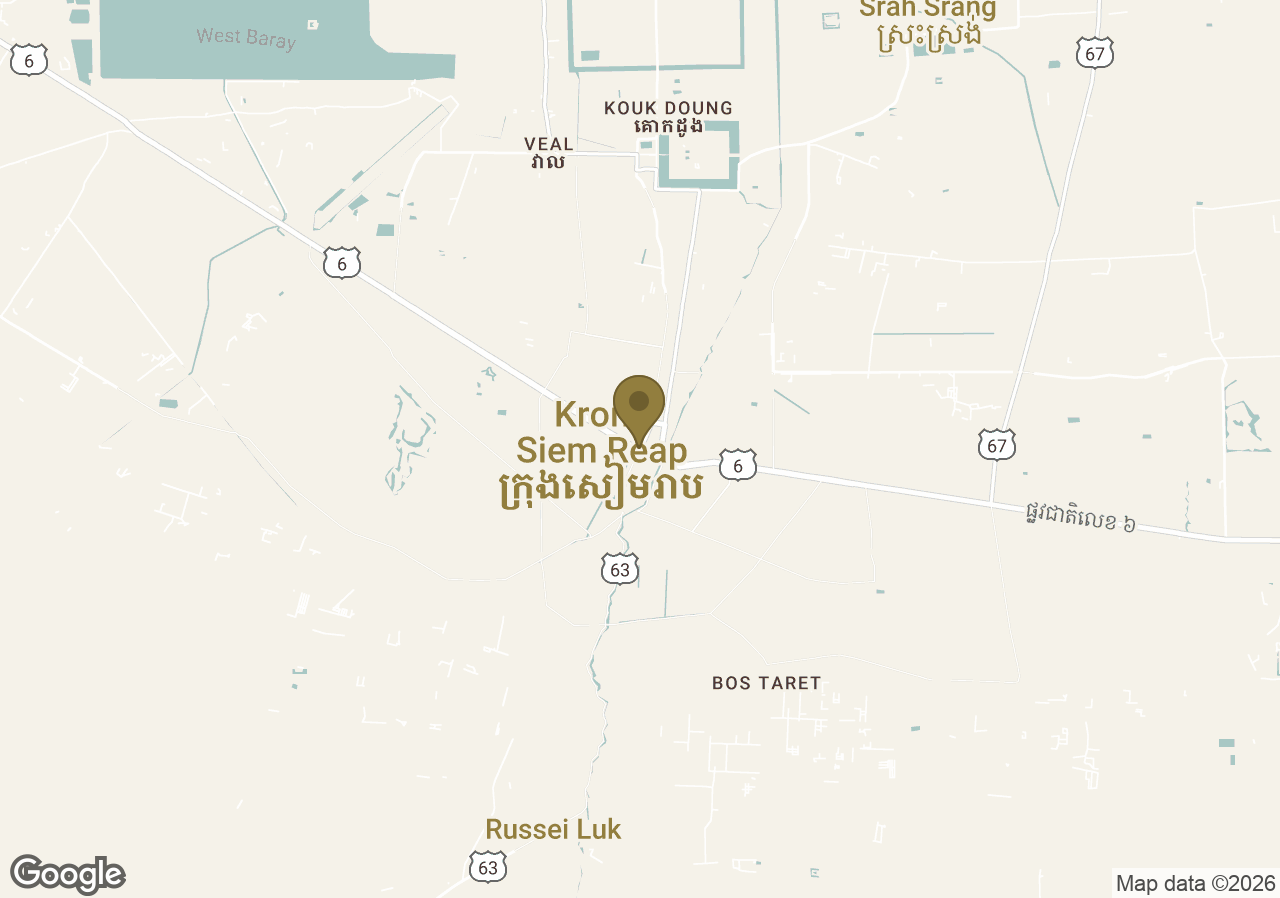
Positioned along Charles de Gaulle, the property sits between Siem Reap’s urban core and the gates of Angkor Archaeological Park. The UNESCO-listed complex—hundreds of monuments over roughly 400 square kilometers—lies only a short drive away, making dawn starts for Angkor Wat both feasible and unhurried. Back in town, creative pockets like the Wat Bo area gather design-forward cafés and cocktail bars, while the Royal Garden and boutiques along side streets reward slow ambles. The hotel’s remork (rickshaw) service simplifies short hops, keeping outings breezy even in the mid-day heat.
Sustainability & Community
Environmental practices aim at reduction and reuse, with glass-bottled water and minimal single-use plastic now standard and an additional organic garden planned to shorten supply lines. The team’s community engagement has included hands-on support for local hospitality training during downturns, reflecting a broader ethic of stewardship rather than spotlight. These quiet commitments, while understated, align naturally with the property’s scale and purpose.
Overall Impression
Amansara is less a conventional resort than a polished lens onto Siem Reap—midcentury lines, lush courtyards, and a rhythm that centers restoration as much as exploration. The combination of low-key architecture, finely paced experiences, and thoughtful dining supports days that begin with temple silhouettes at sunrise and end with a swim under frangipani shadows. For travelers seeking immersion without spectacle, this property distills the destination to its essentials and lets the rest fall comfortably away.